
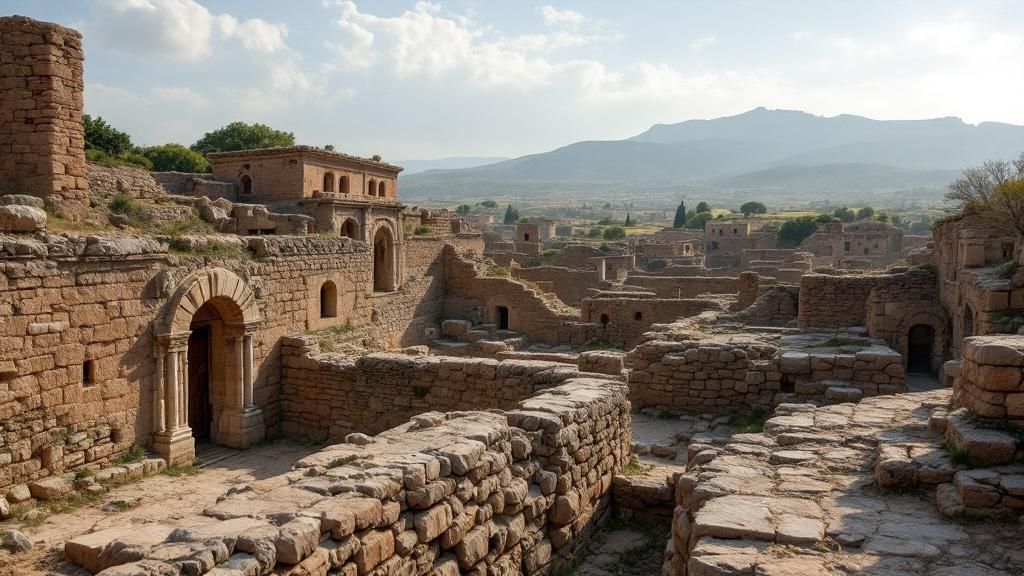
A striking archaeological discovery has illuminated how common Romans lived centuries ago. Archaeological work at a freshly unearthed settlement have produced an extraordinary collection of objects and buildings that challenge conventional assumptions about life routines in the classical period. From domestic arrangements and cooking methods to social hierarchies and recreational pursuits, the results paint an unexpectedly vivid portrait of Roman society. This article explores the key findings and what they reveal about the everyday patterns, behaviours, and social bonds of those residing in this intriguing era of history.
Excavated Artefacts at the Ancient Roman Location
The dig team uncovered an substantial range of artefacts in the early stages of excavation, comprising pottery fragments, coins, and tools that provide invaluable insights into the settlement’s historical sequence and how people lived. Remarkably well-preserved household items were found in residential structures, delivering direct evidence about how families organised their living spaces and conducted their domestic affairs. These findings have permitted specialists to build a picture of ordinary Romans’ material culture with unprecedented accuracy and detail.
Amongst the most compelling discoveries are the remains of a shared bathing facility and several modest retail establishments, suggesting the settlement functioned as a bustling trade centre rather than an remote agricultural settlement. The architectural layout reveals careful urban planning, with streets laid out in a systematic grid arrangement characteristic of Roman town design. Notably, the abundance of multiple hearths and cooking vessels indicates that meal preparation and dining played a key part in the community’s social structure and daily interactions.
Perhaps notably, the excavation has revealed evidence of advanced water management systems, including aqueducts and cisterns that delivered fresh water to inhabitants. This network demonstrates the Romans’ exceptional engineering prowess and commitment to public health and sanitation. The discovery of leisure facilities, such as gaming boards and social spaces, further illustrates that daily life encompassed not merely survival and labour, but also leisure and community activities.
Exploring Home Life and Social Structure
The excavated settlement provides unparalleled insights into the way Romans structured their households and communities. Archaeological evidence demonstrates a sophisticated class system reflected in housing patterns, with wealthier families occupying grand, richly adorned properties whilst poorer inhabitants occupied modest dwellings. Artefacts found in these locations—including vessels, adornments, and everyday utensils—reveal domestic practices and social engagement. The spatial distribution of buildings suggests a deliberately designed township with allocated spaces for commerce, worship, and residence, exemplifying sophisticated urban planning principles.
Residential and Building Design
The houses found at the settlement display notable architectural diversity and building methods. Wealthier homes included several rooms laid out around central courtyards, with traces of hypocaust systems and ornamental mosaics adorning walls and floors. These homes included individual kitchens, bathing facilities, and storage areas, suggesting sophisticated domestic arrangements. In comparison, working-class residences contained smaller, single or two-room structures with shared communal facilities. The quality of construction materials—spanning from marble and stone to brick and timber—directly correlated with residents’ social and economic standing.
Excavations brought to light intriguing insights about daily domestic activities through the preservation of household items and building materials. Kitchen fireplaces, grinding stones, and ceramic vessels suggest food preparation was a key household activity. Bedrooms held remains of beds and furnishings, whilst storage areas held storage jars containing preserved foods and liquids. Wall paintings and decorative elements indicate aesthetic sensibilities amongst families in Roman society. The discovery of toys for children and educational materials suggests households prioritised child-rearing and education, reflecting wider Roman attitudes concerning family life and learning.
- Hypocaust systems delivered underfloor heating throughout wealthy residences.
- Mosaic floors featured detailed compositions representing mythological subjects and ordinary activities.
- Communal ovens served numerous families across labour districts.
- Atrium courtyards functioned as central gathering spaces for families.
- Storage cellars kept foodstuffs such as grain, wine, and dried fruits.
The architectural examination reveals how Roman community layout expressed and maintained class differences. Public spaces like forums and temples dominated central areas, whilst residential areas spread out in systematic arrangements. The presence of fortification walls and watchtowers suggests security concerns, whilst properly maintained roads joined separate areas. Water distribution networks, including aqueducts and drainage channels, reveal engineering knowledge and communal investment in infrastructure. These results together reveal a intricate, ranked urban centre where physical space conveyed social rank and supported routine engagement.
Artefacts and Cultural Significance
The dig has uncovered an remarkable collection of finds that provide essential knowledge into Roman material culture and everyday activities. Pottery pieces, coinage, and everyday objects have been systematically recorded and analysed by experts. These objects illuminate commercial connections, economic structures, and consumer preferences of the local population. The state of preservation has permitted investigators to establish manufacturing techniques and regional origins, highlighting the settlement’s ties to extensive Roman commercial networks and cultural transmission across the Roman domains.
Particularly remarkable are the decorative objects and possessions discovered throughout the site, including jewellery, game tokens, and devotional statues. These finds reveal the artistic preferences and spiritual beliefs of the site’s population. The discovery of luxury goods alongside everyday items points to a hierarchically organised society with different degrees of prosperity and standing. Such discoveries challenge preconceptions regarding homogeneity across Roman provincial life, demonstrating rather a intricate mosaic of individual preferences and artistic manifestations that persisted within the wider Roman imperial system.
The cultural importance of these discoveries extends beyond scholarly interest, providing contemporary society a concrete connection to our forebears. By studying these material remains, archaeologists recover lost stories of ordinary people whose lives formed Roman civilisation. The community serves as a miniature representation of imperial society, illustrating how community groups retained separate identities whilst taking part in the larger Roman context. These findings show us that history is made up of countless individual stories yet to be discovered and recognised.
